
All Blogs
Top Strategies Realtors Use to Scale Their Business in 2025
Top Strategies Realtors Use to Scale Their Business in 2025
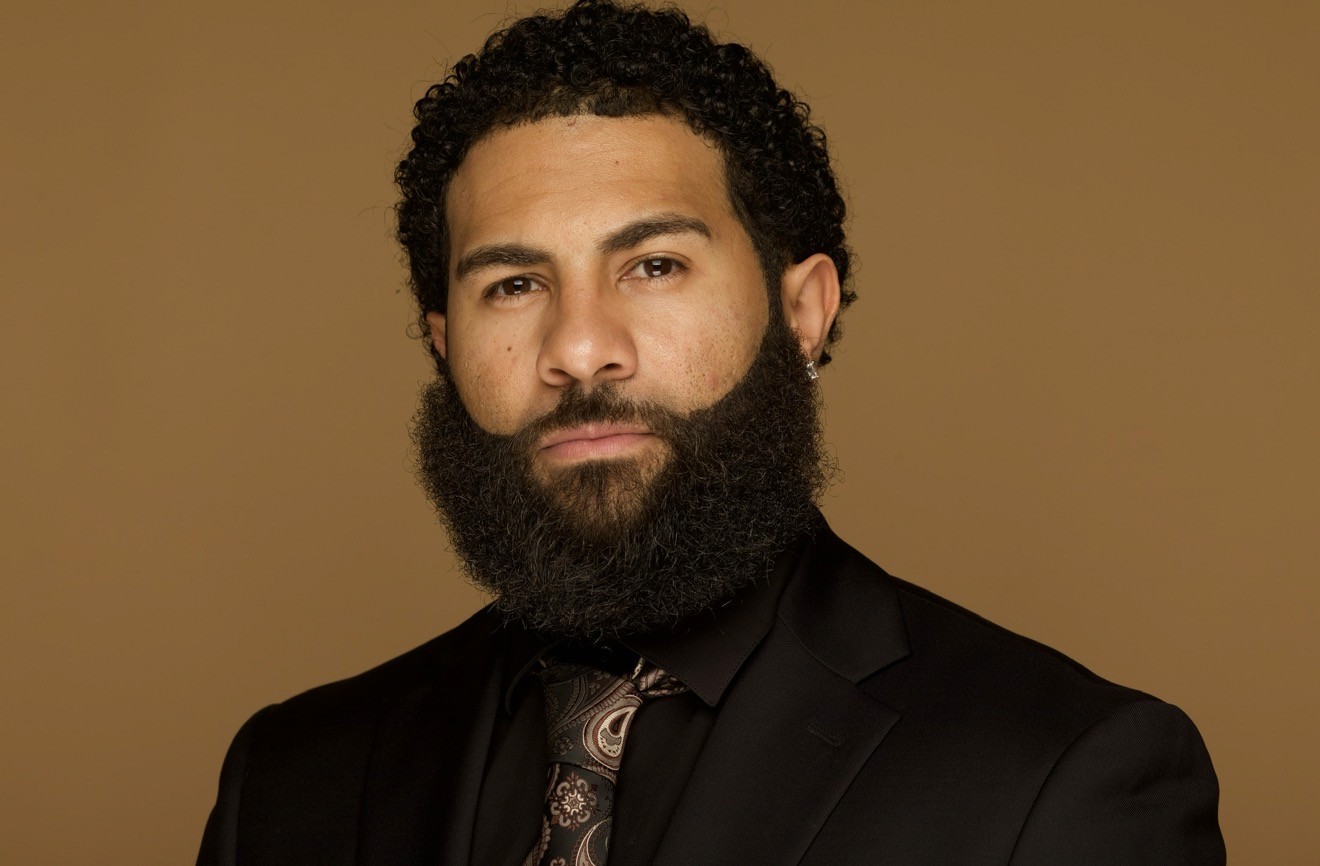
Walter J. Pijeaux IV
The real estate business is full of opportunity, but it’s also easy to plateau. Many agents start strong by getting referrals from friends and family, but growth slows when those warm leads run dry. At that point, scaling requires more than hustle — it requires systems, strategies, and smart use of technology.
Industry data shows that while the number of licensed agents in the U.S. has grown, NAR research indicates that the average agent closes fewer than a dozen transactions per year. The gap between top performers and the average agent often comes down to strategy: how effectively they capture leads, market themselves, and build repeatable processes.
Niche & Brand Differentiation Strategy
One of the fastest ways to stand out in a crowded market is to niche down. Instead of being a “generalist” realtor, agents who specialize in a segment — whether luxury homes, first-time buyers, or senior living communities — become known as the go-to expert. This not only builds trust but also reduces competition against agents who try to serve everyone.
For example, some agents brand themselves around “beachfront living” or “downtown condos.” This branding attracts buyers who are specifically looking for those lifestyles. According to Luxury Presence, agents who focus on niche marketing often outperform peers by creating stronger brand recall.
Key tips for differentiation:
Identify your unique expertise or passion (luxury, investment properties, relocations).
Build your content and marketing around that niche.
Use consistent branding across website, social, and print materials.
Content & SEO as a Lead Magnet
Search engines are a powerful but underused channel for realtors. Most buyers start online, typing searches like “best neighborhoods in Austin for families.” Realtors who produce blogs, videos, and neighborhood guides for these searches attract organic traffic that compounds over time.
An agent in California partnered with a digital agency to create hyperlocal content. Within six months, they ranked for over 6,000 real estate keywords and saw a steady flow of inbound leads without relying exclusively on paid ads (Luxury Presence Case Study).
Content marketing strategies that work:
Write neighborhood spotlight articles and homebuyer guides.
Optimize for long-tail SEO (e.g., “homes near good schools in Denver”).
Update Google Business Profile regularly for local SEO ranking.
Automated & Intelligent Lead Nurturing
Most real estate leads don’t convert right away. Buyers might browse for six months before making a move, while sellers may wait for the right market conditions. Without consistent follow-up, these leads go cold. This is where automation comes in.
According to HousingWire, drip email campaigns and listing alerts are two of the most effective nurturing tools available. When combined with AI-driven personalization, these campaigns can adapt to a prospect’s behavior — sending mortgage tips to first-time buyers or luxury market updates to high-end prospects.
Smart nurture tactics:
Segment leads by timeline, budget, and interests.
Use a mix of email and SMS to match client preferences.
Set up automated reminders for birthdays, anniversaries, and home valuations.
Leveraging Video & Social Media
Video has become a dominant growth lever for real estate marketing. Platforms like YouTube, TikTok, and Instagram give realtors the chance to showcase listings, neighborhoods, and even their personalities. Buyers who consume video content often feel like they already know and trust the agent.
WordStream notes that live tours, behind-the-scenes stories, and local market explainers drive high engagement. For instance, some agents do weekly Facebook Live Q&As about market trends, attracting both buyers and sellers in real time.
Effective video strategies:
Post property walkthroughs on YouTube and Instagram Reels.
Share “day in the life” content to humanize your brand.
Go live to answer common questions about the buying/selling process.
Referral & Sphere-Of-Influence Systemization
Referrals are still one of the most powerful sources of business. Top-producing agents often report that 60–80% of their closings come from repeat and referral clients. The difference between average and elite agents is that the latter treat referrals as a system, not a bonus.
This means scheduling quarterly check-ins with past clients, hosting client appreciation events, and sending value-driven newsletters. Building a referral engine ensures that your existing database keeps producing business for years to come.
Referral system best practices:
Host annual events like BBQs, wine tastings, or holiday parties.
Send handwritten thank-you notes for every referral.
Offer small rewards or gifts to show appreciation.
Partnerships & Co-Marketing
Realtors don’t need to grow alone. Partnerships with mortgage brokers, contractors, stagers, and local businesses create a network effect. Co-marketing campaigns not only reduce costs but also expand reach.
For example, some agents co-host webinars with mortgage lenders on “How to Buy a Home in 2025,” capturing leads for both businesses. Others cross-promote with interior designers or home inspectors on Instagram, boosting visibility across audiences.
Ways to leverage partnerships:
Create bundled homebuyer seminars with lenders and inspectors.
Share ad costs with local businesses for mutual exposure.
Cross-promote content with partners’ audiences.
Performance Monitoring & Data-Driven Adjustments
What gets measured gets managed. Too many agents spend money on ads without knowing which channels produce closings. This is where attribution tools and analytics become critical.
Platforms like Iovox provide call tracking and campaign insights, helping agents see whether a lead came from Google Ads, a Facebook campaign, or an SEO blog. This data ensures agents double down on profitable channels while cutting underperforming ones.
Key metrics to track:
Cost per lead (CPL).
Lead-to-appointment conversion rate.
Appointment-to-closing ratio.
ROI by channel (ads, SEO, referrals).
Scaling with Team, Tech & Delegation
No agent can scale alone forever. As business grows, delegating administrative tasks, showings, and marketing becomes essential. Building a team or hiring virtual assistants frees up the agent to focus on high-value activities like negotiations and client relationships.
CRMs and workflow automation also play a role here. Platforms like Follow Up Boss and Astreaux AI streamline lead routing, appointment scheduling, and follow-up. This ensures every lead is touched, even when the agent is too busy to reply personally.
Scaling tips:
Hire a transaction coordinator to manage paperwork.
Use AI tools to handle speed-to-lead and qualification.
Build a recognizable team brand to grow beyond individual capacity.
Conclusion & Growth Roadmap
Scaling in real estate isn’t about working harder — it’s about working smarter. The most successful agents in 2025 will combine timeless strategies like referrals and partnerships with modern tools like AI-driven lead nurturing and video marketing.
The roadmap for growth is simple:
Pick one niche and dominate it.
Build organic presence with SEO and content.
Nurture every lead with automation.
Invest in video and social media presence.
Track performance and scale with the right tech.
Realtors who execute consistently will see compounding growth. With the right systems, tools, and partnerships in place, 2025 can be the year agents move from hustling to scaling sustainably.
Stop Missing Leads on Autopilot
Astreaux AI turns every inbound lead into a booked appointment — 24/7, no rep required.